


Recommended products
 thick gymnastics mats
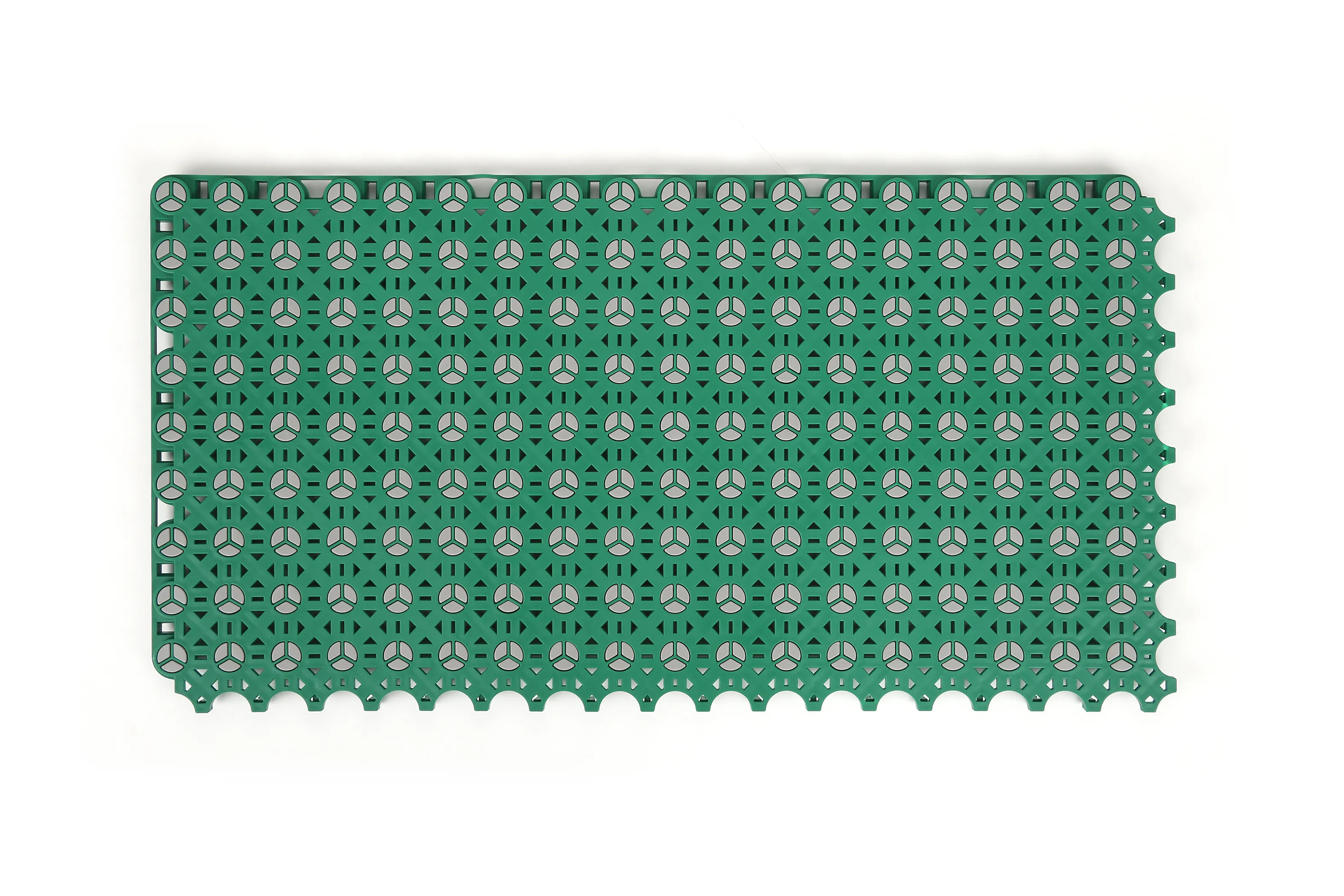 mini basketball court floor
 clay court pickleball
 indoor pickleball court dimensions
 black gym mat flooring
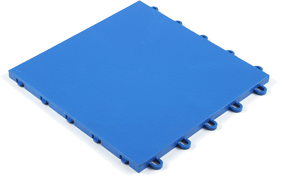
 interlocking sport court tiles






-

Choosing the Best Indoor Basketball Court Flooring Options for Optimal Performance
Exploring Indoor Basketball Court Surfaces Basketball is a dynamic sport that requires players to perform at their best on various surfaces. The choice of surface for an indoor basketball court plays a crucial role in the game, impacting everything from player performance to safety. In this article, we will delve into the different types of indoor basketball court surfaces, their characteristics, -
Creative Ideas for Using Rubber Playground Mats in Outdoor Play Spaces and Safety Areas
The Benefits of Rubber Playground Mats A Cushioned Experience for Kids In today’s world, where safety and comfort are paramount, rubber playground mats have emerged as a popular choice for schools, parks, and residential areas. As the backbone of child-friendly play environments, these mats provide numerous benefits that enhance both safety and play quality. Safety First Shock Absorption One of th -
Cheese Wedge Gymnastics Mat for Safe and Fun Training Sessions at Home
The Benefits of Using Cheese Wedge Gymnastics Mats Gymnastics is a physically demanding sport that requires strength, flexibility, and coordination. It also involves several advanced techniques that need the proper equipment for training. Among the essential tools in a gymnast's training arsenal is the cheese wedge gymnastics mat. This unique piece of equipment plays a critical role in enhancing a
Join Our Newsletter
We Strive To Provide Customers With Quality Products.Request Information,Sample & Quate,Contact Us !

about us

running track size
Running tracks have become essential components of athletic facilities around the world, serving both professional athletes and fitness enthusiasts. The dimensions and designs of these tracks significantly impact performance, safety, and usability. Understanding the standard sizes and specific considerations for running tracks can enhance the overall athletic experience, making it vital for sports facility managers and developers to invest in tracks that align with international standards and user expectations. A standard running track features an oval shape consisting of two straight sections and two curved sections. This design facilitates continuous running, which is crucial for training and competitive events. The International Association of Athletics Federations (IAAF) has set the benchmark for track dimensions to ensure uniformity in competitive running, thus instilling trust and credibility within the athletics community. A typical track measures 400 meters in the innermost lane, which is the standard competition length used globally. This size supports various track and field events, including sprints, middle-distance, and long-distance races. While the 400-meter track is the most recognized, variations exist to accommodate different purposes and spatial constraints. Smaller tracks, commonly found in urban areas or indoor facilities, may measure 200 or 300 meters. These tracks are particularly useful for recreational use, training, and events that do not conform to standard competitive formats. However, designing such tracks requires expertise to manage the increased banking angles required on curves to maintain speed and safety. Safety considerations encompass more than just the physical size of the track. Factors such as surface materials, lane width, and drainage systems play a crucial role in maintaining a safe and reliable running environment. The track surface, often crafted from synthetic materials like polyurethane, needs to provide adequate grip and cushioning to minimize the risk of injury. Properly designed lanes, typically ranging from 1.22 to 1.25 meters in width, ensure that athletes have sufficient space to maneuver, particularly during overtaking. Modern track design integrates advanced technology to deliver enhanced performance metrics. For instance, some tracks include embedded sensors and data analytics systems to monitor athlete performance, offering a comprehensive understanding of technique and improvement areas. Facilities that invest in these technologies position themselves as leaders in sport innovation, attracting professional athletes and national teams eager to refine their performance. running track size From an environmental standpoint, the materials and construction processes used in building running tracks can affect sustainability. Eco-friendly materials and innovative drainage solutions not only preserve the track's integrity but also enhance the environmental credentials of the facility. As sustainability becomes a focal point in infrastructure development, sports facilities with sustainable tracks can appeal to a broader audience, including eco-conscious organizations and athletes. Maintaining the track is crucial for longevity and performance consistency, which demands regular inspection and maintenance by knowledgeable personnel. Identifying and repairing wear and tear, such as surface bubbling or fading lane markings, requires skilled technicians who understand the intricacies of track materials and design. Facilities that maintain stringent upkeep practices not only ensure athlete safety but also uphold their reputation as reliable and professional sporting venues. Selecting the right size and type of running track depends on careful consideration of its intended use, location, and user demographic. Expert input during the design and planning stages is indispensable in creating a track that meets specific needs and regulatory standards. Involving seasoned designers and engineers in the planning process guarantees that the final output is not only a functional athletic venue but also a testament to engineering and athletic excellence. In summary, the size and design of a running track are integral to its function and appeal . With careful planning and execution, facilities can create tracks that cater to athletes' needs while upholding the highest levels of safety and environmental responsibility. By focusing on authoritative design principles and trusted construction practices, sports facilities can create a legacy of excellence and innovation.